
Understanding Arguments in Marriage: Hear the Hurt
Marriage, Communication, Emotional Health
Arguments in Marriage: Hearing the Hurt Behind the Words
Every married couple argues, but the healthiest partners learn to listen beyond the sharp words and into the deeper hurt that is really being expressed.
Why Arguments in Marriage Hurt So Much
Arguments in marriage rarely explode out of nowhere. They tend to grow from a mix of stress, unmet needs, and old wounds that feel especially tender when touched by the person we love most. That is why a small comment about the dishes can suddenly turn into a heated debate about respect, effort, or feeling taken for granted.
On the surface, you might be fighting about money, parenting, or housework. Underneath, something deeper is often being said: “Do I matter to you?” “Can I trust you?” “Do you see how tired I am?” When you focus only on the words, you can end up defending yourself, proving a point, or trying to win. When you look for the hurt, you move toward healing rather than toward victory.
Listening for What Your Spouse Is Really Telling You
In the middle of an argument, your spouse’s words might sound accusing, dramatic, or unfair. But underneath those words is almost always a vulnerable message trying to get out. Your job is not to agree with every word; your job is to gently translate the emotion behind them.
When they say, “You never listen to me,” they may be saying, “I feel invisible and unimportant.”
When they say, “You’re always on your phone,” they may be saying, “I miss you and want connection.”
When they say, “You don’t care about this family,” they may be saying, “I’m scared I’m carrying this alone.”
💡 A Pause by the Brook: When you feel attacked, pause and silently ask yourself, “What might my spouse be afraid of or hurting about right now?”
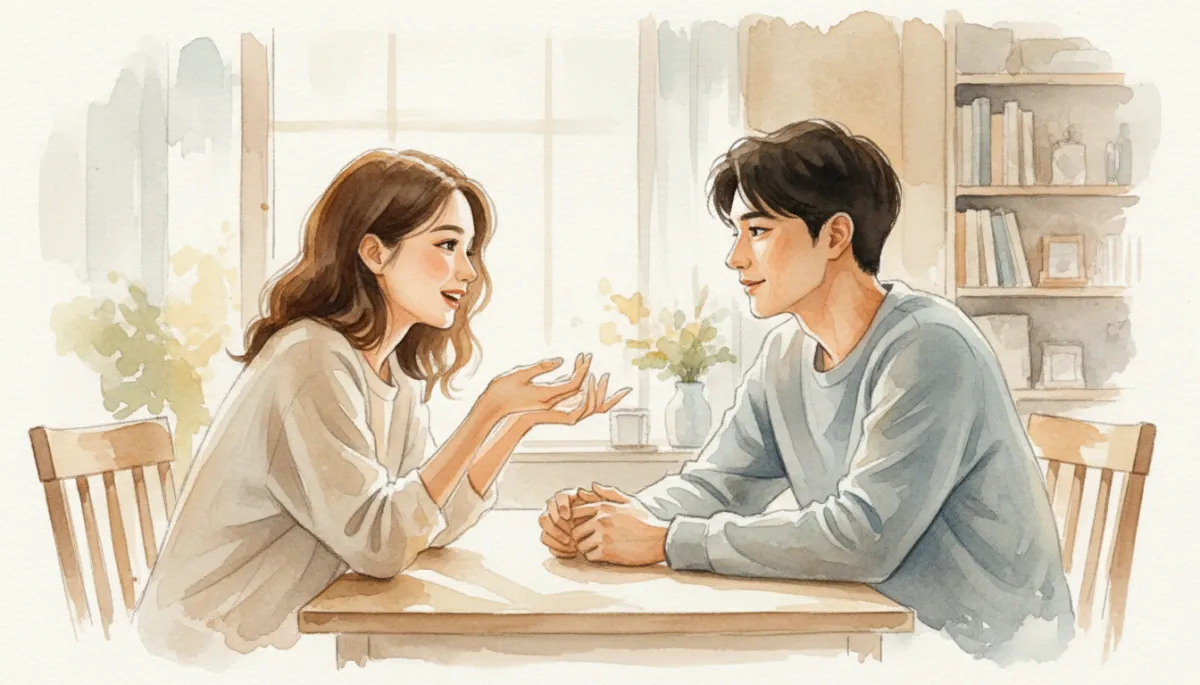
Slowing down to really listen can turn a heated argument into a healing conversation.
Finding the Hurt: The Key to Serving Your Spouse
To love your spouse well, you have to get curious about their pain. Instead of reacting to their tone, look for the tender place underneath. That is where you discover how to truly serve them. Serving is not about fixing the entire problem in one conversation; it is about meeting the emotional need that is crying out in that moment.
You might say things like:
“I can hear how hurt you are. Help me understand what feels most painful right now.”
“It sounds like you feel alone in this. What would help you feel more supported?”
“I’m sorry my actions made you feel that way. Here’s what I want to do differently.”
📌 A Ripple to Carry With You: When you respond to the hurt instead of the harsh words, your spouse feels seen, and their defensiveness often softens.
Turning Conflict into Connection
Arguments in marriage do not have to be signs of failure. They can become invitations to know each other more deeply. When you train yourself to look for what your spouse is really telling you, you move from defending your position to protecting their heart. Over time, this shift builds trust: your spouse learns that even in conflict, you are on their side, not against them.
You will not get this perfect. No one does. But each time you pause, listen, and ask, “Where is the hurt, and how can I serve it?” you take one more step toward a marriage where both of you feel safer, softer, and more deeply loved—even in the middle of an argument.