Embrace Change: Overcoming Mistakes with Faith
Faith, Second Chances, Personal Growth
What Can I Do When I’ve Made Mistakes and I Want to Change?
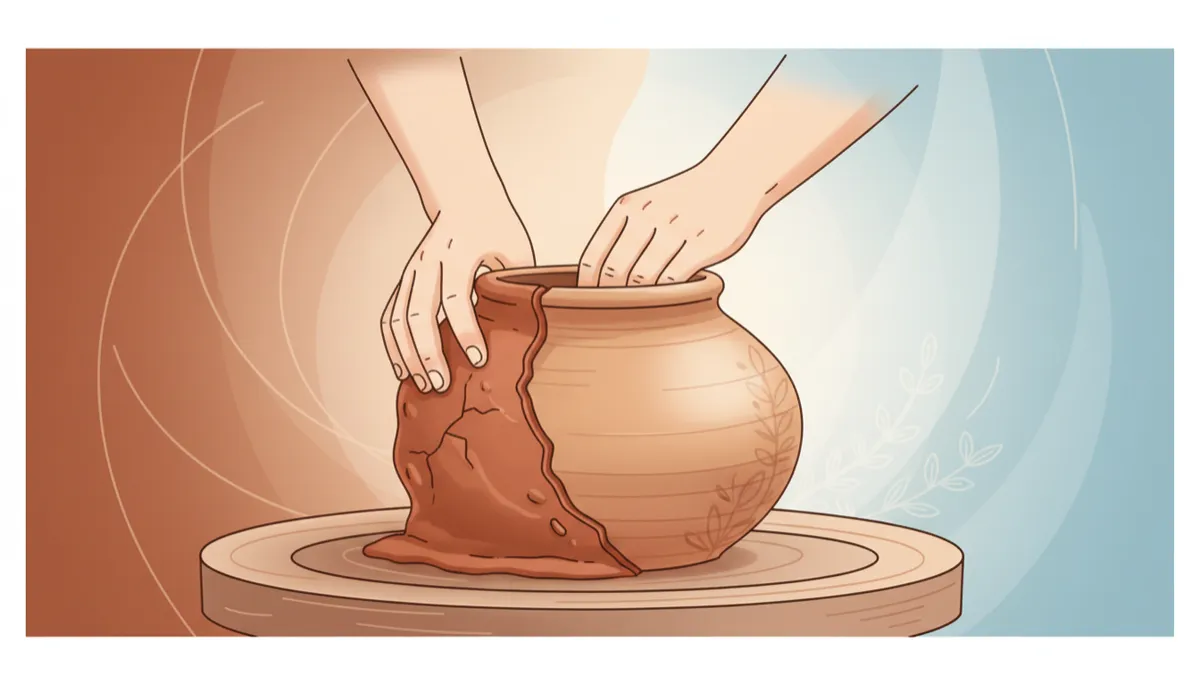
When our past feels shattered by bad choices, it’s easy to believe we’re beyond repair. Jeremiah 18 offers a different picture: God as a patient potter, willing to start over with clay that’s been misshaped and marred.
Hearing Hope in Jeremiah 18
In Jeremiah 18, God sends the prophet to a potter’s house. Jeremiah watches as the vessel on the wheel is spoiled in the potter’s hands. The potter doesn’t throw the clay away. Instead, he starts over, making it into another vessel “as seemed good to him to do.”
Then God explains the lesson: just as the potter has authority over the clay, God has authority over nations and people. If they turn from their wrong ways, He can reshape what seemed ruined. The message is sobering, but also deeply hopeful: God is not quick to discard; He is ready to remake.
When Your Life Feels Like Ruined Clay
Bad mistakes can leave you feeling exactly like that misshapen pot: embarrassed, cracked, and convinced you’re only good for the discard pile. Maybe it’s a broken relationship, a hidden addiction, a moral failure, or years spent running from God. Shame whispers, “This is who you are now. There’s no going back.”
But Jeremiah 18 challenges that lie. The clay was spoiled in the potter’s hand, yet it never left His wheel. Your failures may be real, but they don’t have to be final. In God’s hands, a ruined past can become raw material for a redeemed and refined future.
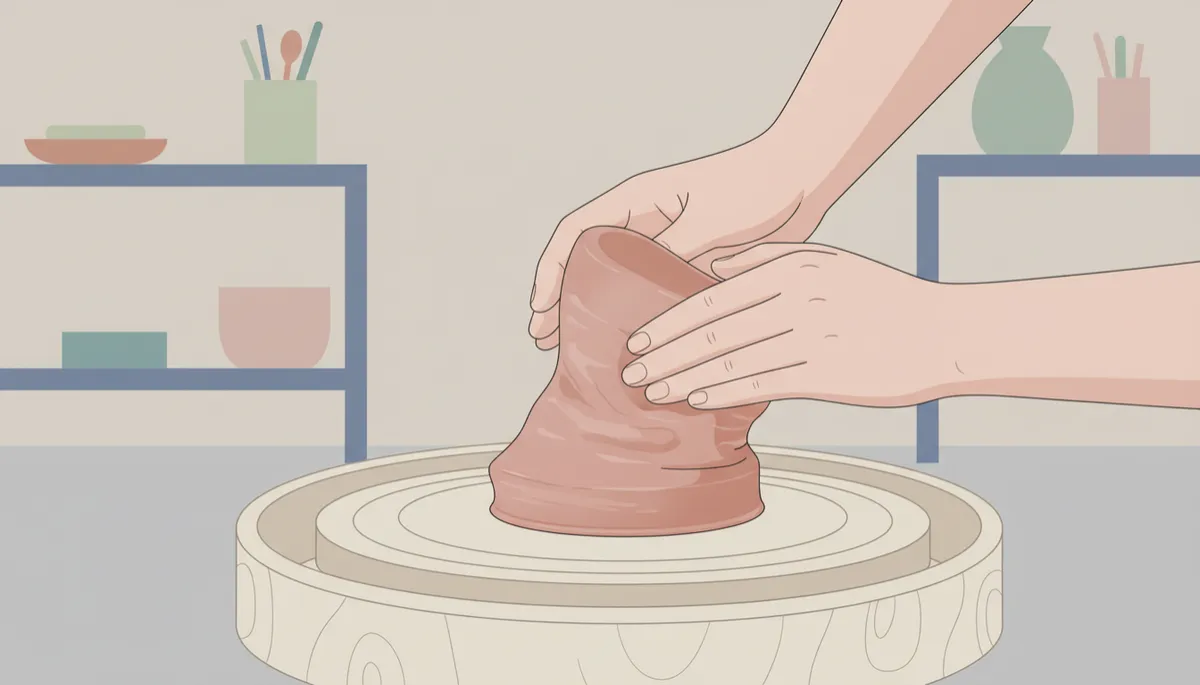
The same clay that collapsed on the wheel can become a vessel of beauty in skilled hands.
So What Can You Actually Do When You Want to Change?
Come back to the Potter. Change doesn’t start with self-improvement; it starts with surrender. In honest prayer, tell God what you’ve done, how it’s affected you and others, and that you’re willing for Him to reshape your life. You’re not informing Him; you’re inviting Him.
Stop resisting His hands. Clay that fights the potter can’t be formed. In Jeremiah 18, God calls His people to turn from their evil ways. For you, that may mean ending a destructive pattern, confessing a secret, or walking away from a harmful environment, even when it costs you something.
Take concrete steps of repentance. Repentance is more than feeling bad; it’s choosing a different direction. That might include apologizing to someone you’ve hurt, seeking counseling, joining a supportive church community, or setting some practical boundaries so you don’t repeat the same decisions.
Be patient with the process. Pottery is slow work. The wheel spins, the hands press, the clay yields, and over time a new shape emerges. Change in your life will likely be gradual too. Don’t walk off the wheel just because you don’t see instant perfection.
💡 A Ripple to Remember: God’s question in Jeremiah 18 is personal: “Can I not do with you as this potter has done?” The invitation is not to fix yourself, but to let Him begin again with you.
Letting God Start Over with Your Story
Your mistakes matter, but they don’t have to define the rest of your life. Jeremiah 18 and the potter’s wheel show that God does not give up easily. He is willing to work with the same clay again and again. If you’re asking, “What can I do when I’ve made bad mistakes, and I want to change?” the answer begins here: place your life back in the Potter’s hands and stay there.
Today, you can choose to turn, to trust, and to let God reshape what feels beyond repair. The wheel is still turning. The Potter is still working. And your story, in His hands, is not over yet.