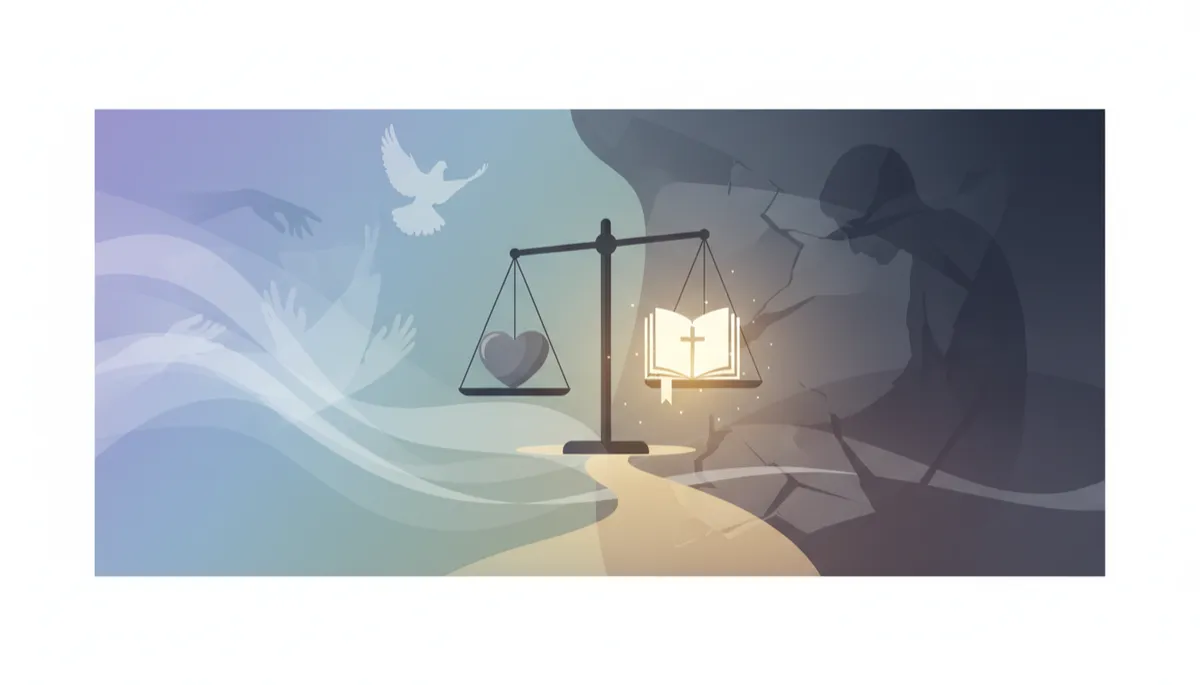
Grace and Healing: Forgiveness in a Hurting World
Faith, Forgiveness, Mental Health
A Double Portion of Grace: Forgiveness, Accountability, and Healing in a Hurting World
In a world weighed down by substance abuse, mental unwellness, and hardened hearts, forgiveness can feel impossible. Yet Scripture calls us to live with a double portion of grace—lavish mercy paired with honest accountability—so that true peace can take root in our lives and communities.
Forgiveness and Grace: What Scripture Really Invites Us Into
The Bible presents forgiveness not as a feeling, but as a choice to release others from the debt they owe us. Jesus teaches, “Forgive us our debts, as we also have forgiven our debtors” (Matthew 6:12). Forgiveness is an act of obedience that mirrors God’s own heart toward us. Grace goes even further: it is unearned favor, the loving kindness God pours out even when we do not deserve it (Ephesians 2:8–9).
When we forgive, we refuse to let bitterness rule our hearts. When we extend grace, we choose to see people not only for what they have done, but for who they can become in Christ. This does not erase pain or minimize harm, but it opens a door for healing—for us and for those who have hurt us.
Why We Need a Double Portion in Today’s World
The prophet Elisha asked for a “double portion” of Elijah’s spirit (2 Kings 2:9), a request for more of God’s power and presence to meet the needs of his generation. Today, our world is marked by deep fractures—relational, emotional, and spiritual. Families are strained, communities are polarized, and many feel crushed under invisible burdens.
In such a climate, ordinary kindness is not enough. We need a double portion of forgiveness and grace: patience that stretches further, compassion that listens longer, and mercy that keeps showing up. This is not human optimism; it is the work of the Holy Spirit in hearts that are willing to be softened and transformed (Galatians 5:22–23).
Substance Abuse, Mental Unwellness, and the Call to Compassion
Many people today are fighting battles with substance abuse and mental unwellness that others never see. Addiction can be a desperate attempt to numb pain; anxiety and depression can leave a person feeling trapped inside their own mind. The psalmist’s cry, “Why, my soul, are you downcast?” (Psalm 42:5), still echoes in countless hearts.
Jesus consistently moved toward the broken, not away from them. He ate with sinners, touched the unclean, and dignified those society rejected. That same posture invites us to look at those wrestling with addiction or mental distress through eyes of grace. Instead of quick judgment, we are called to offer presence, prayer, and practical support—helping people access treatment, safe community, and hope in Christ.

Gentle, grace-filled presence can become a lifeline for those in deep struggle.
Grace Does Not Erase Accountability for Wrong Actions
True grace never pretends that sin does not matter. The cross itself is proof that our wrong actions have real weight. Scripture is clear: “Do not be deceived: God is not mocked. A man reaps what he sows” (Galatians 6:7). Forgiveness releases personal vengeance, but it does not remove all consequences or the need for repentance, restitution, and changed behavior.
In practical terms, this means we can forgive someone who has lied, stolen, or harmed us, while still insisting on healthy boundaries and appropriate safeguards. We can walk with a person battling substance abuse, yet encourage them toward treatment, accountability groups, and wise oversight. Grace welcomes, but it also tells the truth in love (Ephesians 4:15).
📌 A Ripple to Remember: Forgiveness is about the heart; accountability is about wisdom and safety. Both are biblical, and both are needed.
Hardened Hearts and the Risk of Withholding Mercy
When pain goes unhealed, hearts can grow hard. We may start to believe that some people are beyond help, or that our anger protects us better than God’s promises. Scripture warns against this: “Today, if you hear his voice, do not harden your hearts” (Hebrews 3:15). A hardened heart cannot receive God’s comfort, and it struggles to extend compassion to others.
Jesus tells the parable of the unforgiving servant (Matthew 18:21–35) to show how dangerous it is to receive mercy yet refuse to pass it on. When we cling to resentment, we become prisoners of our own bitterness. Asking God for a double portion of grace means inviting Him to soften our hearts again—to help us grieve honestly, forgive deeply, and still uphold what is right and just.
Biblical Pathways to Peace in a Fractured Culture
Peace, in Scripture, is more than the absence of conflict; it is the presence of wholeness—shalom. Jesus says, “Blessed are the peacemakers, for they will be called children of God” (Matthew 5:9). Peacemaking in a world of addiction, mental distress, and relational breakdown involves several intertwined commitments:
Praying for and practicing forgiveness, even when feelings lag behind obedience.
Extending grace to those who are struggling, while encouraging them toward wise help and accountability.
Setting healthy boundaries that protect the vulnerable and honor God’s standards of holiness.
Allowing God to continually soften our own hearts, so we do not become hardened by disappointment or fear.
As we lean into these practices, the peace of Christ—“which transcends all understanding” (Philippians 4:7)—can guard our hearts and minds. We may not fix every situation, but we can carry His presence into every room, every conversation, and every broken story we encounter.
Living the Double Portion: A Closing Prayerful Invitation
Our world does not simply need more opinions; it needs more people willing to embody Christlike grace and truth. In the face of substance abuse, mental unwellness, and hardened hearts, we are invited to pray: “Lord, give me a double portion of Your Spirit. Teach me to forgive, to extend grace, and to uphold what is right.”
As we do, we participate in God’s quiet revolution of peace—one relationship, one act of mercy, one honest boundary at a time. And in that faithful, everyday obedience, the light of Christ shines into some of the darkest corners of our hurting world.