Protect Your Marriage from Outside Influence
Marriage, Relationships, Family Dynamics
When Family and Friends Hurt Your Marriage
Marriage rarely exists in a bubble. Parents, siblings, and friends can be a beautiful source of support, but sometimes, the people you love most can quietly begin to harm the relationship you are trying to protect.
How Loved Ones Can Accidentally Undermine Your Relationship
Most family and friends do not wake up planning to hurt your marriage. The damage often happens in subtle, everyday ways. A mother who insists on being involved in every decision. A sibling who constantly criticizes your partner. A friend who expects you to put their needs first, even above your spouse. Over time, these patterns can chip away at the connection and trust between the two of you.
Problems usually begin when outside voices become louder than the voice of the marriage itself. Instead of working through conflict together, one or both partners start turning to others for validation, advice, or emotional comfort. What feels like “venting” can quietly turn into emotional triangling, where a third person sits in the middle of your relationship. This often leaves your spouse feeling criticized, compared, or shut out.
Common Signs Family and Friends Are Hurting Your Marriage
They disrespect your spouse. Jokes, eye rolls, or “helpful” comments that put your partner down are not harmless. Over time, they erode respect on both sides.
You feel torn and defensive. You often feel you must choose between your spouse and your family, or you hide information to avoid conflict.
Your private issues are public. Arguments, finances, or intimate details are regularly shared with others without both partners’ consent.
Decisions are made to please others. Where you live, how you spend holidays, and even how you raise your children feel driven by someone else’s expectations.
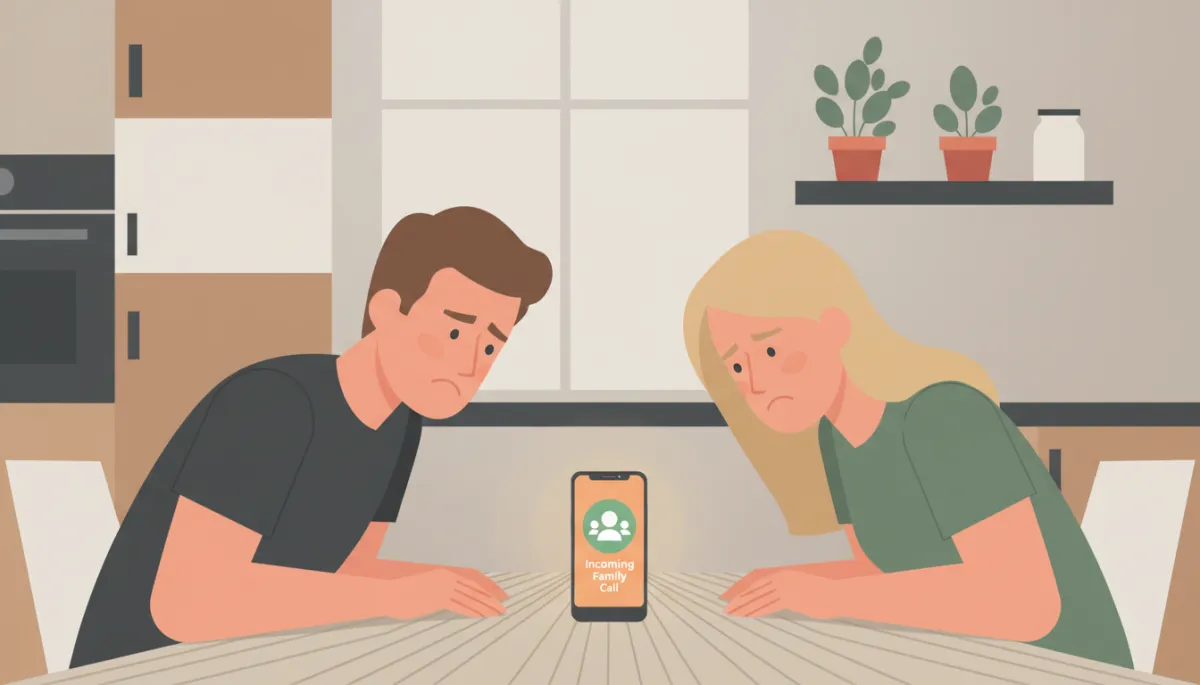
Calm, honest conversations about outside influence can protect your connection.
Placing Your Marriage at the Center
A healthy marriage is not about cutting everyone off; it is about reordering priorities. When you get married, you form a new family unit. That does not erase your history, but it does mean your first loyalty now belongs to the partnership you are building together.
Start by having a gentle but direct conversation with your spouse: “Where do we feel most pressured from outside? What feels disrespectful or unsafe?” Listen without defending your family or friends. Their experience matters, even if you do not fully agree. Then, decide together what your boundaries should look like—what is okay, what is not, and what needs to change.
💡 Create a Ripple Together: Present boundaries as joint decisions. Instead of “My spouse doesn’t like that,” say, “We’ve decided to keep this part of our marriage private.”
Setting Loving but Firm Boundaries
Boundaries are not punishments; they are limits that protect what you value. That might mean not sharing every argument with your best friend, or telling a parent, “We appreciate your concern, but we will make this decision together.” It might mean shorter visits, fewer unannounced drop‑ins, or stepping back from friends who constantly bash your partner or marriage itself.
Expect some pushback. People who are used to unlimited access may feel hurt, confused, or even angry when you begin to draw lines. Stay calm and consistent. You do not need everyone to agree with your boundaries; you only need to hold them kindly and firmly. Over time, most people adjust, and those who truly care about you will learn to respect your marriage.
When You Need Extra Support
If outside interference has already caused deep wounds—such as emotional affairs, constant in‑law conflict, or talk of separation—consider bringing in a neutral third party. A couple's therapist, faith leader, or relationship coach can help you sort out what belongs to your marriage and what belongs to your families of origin, and guide you in rebuilding trust.
You deserve a marriage where both partners feel chosen, protected, and prioritized. When family and friends hurt your marriage, it is not selfish to step back—it is an act of care for the life you are building together. Protecting that bond may be one of the bravest, most loving decisions you ever make.

