
Transforming Pain into Spiritual Growth
Faith, Emotional Healing, Spiritual Growth
The Most Powerful Transformation After Being Hurt by the People You Love
When the people who matter most wound us, the pain cuts deep. Yet in God’s hands, even these deep hurts can become the starting point for a powerful, life‑shaping transformation—if we learn what to do with the emotions that rise to the surface.
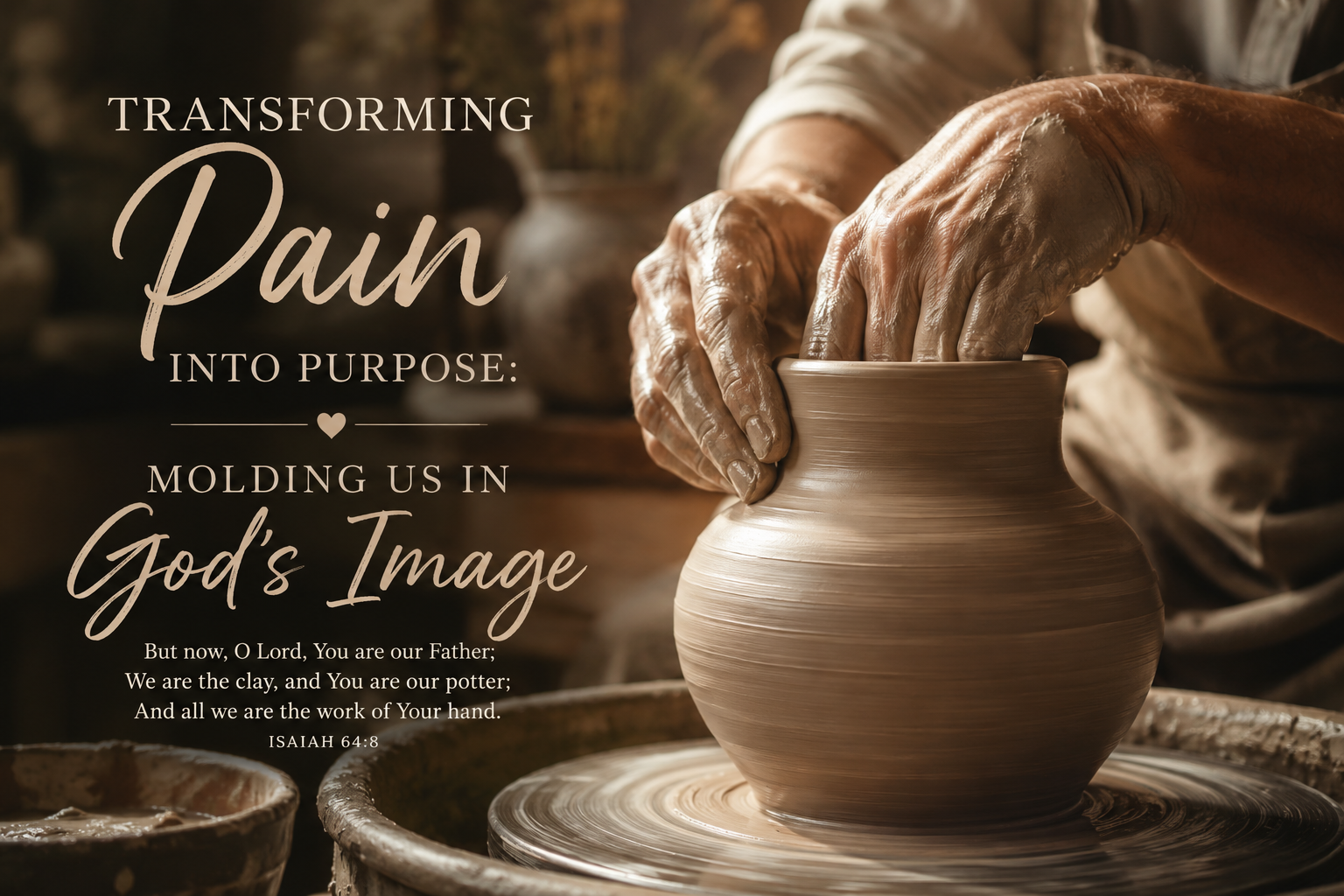
When the People Closest to You Become the Source of Your Pain
Hurt from a stranger stings, but hurt from those we love cuts to the core. A careless word from a sibling, a betrayal by a spouse, rejection from a close friend, or silence from someone you trusted—these are not just “disappointments.” They shake our sense of safety, identity, and worth.
In those moments, it’s easy to believe the wound defines us. We replay conversations, rewrite what we wish we had said, and wonder why God allowed this to happen. Yet the most powerful transformation rarely begins in comfort. It often begins exactly here—in the middle of confusion, grief, and anger—when we dare to invite God into the very place that hurts the most.
Understanding Our Feelings and Emotions: Honest, But Not Final
Being hurt by loved ones releases a flood of emotions—sadness, anger, disappointment, fear, even numbness. These feelings can be intense, and sometimes they seem to contradict what we believe we “should” feel as people of faith. We may think, “If I really trusted God, I wouldn’t be this upset,” and then shame quietly slips in behind the pain.
But emotions are not the enemy. They are indicators, not dictators. Your feelings are real, but they are not your ruler. Scripture is full of people who brought raw, unfiltered emotion to God— David’s laments, Job’s questions, Jesus’ own tears. God never asked us to pretend we don’t hurt; He invites us to bring the hurt to Him.
The danger is not in having strong emotions, but in letting them become the center of our focus. When we stare at the offense, rehearse the wound, and build our identity around what happened, the hurt begins to shape us more than God does. The transformation God desires begins when we shift our attention from “what they did to me” to “Lord, what do You want to grow in me through this?”

Naming our emotions before God is often the first doorway to healing.
What We Do With Our Emotions: Where Real Transformation Begins
God is less concerned with whether you feel hurt, angry, or afraid, and far more concerned with what you choose to do next. The same emotion can either harden your heart or deepen your faith, depending on how you handle it. That is where the most powerful transformation happens—in the choices you make with the pain you carry.
1. Bring Your Emotions Honestly to God
Transformation starts with honesty. Instead of stuffing your feelings or venting them in destructive ways, bring them to the One who already knows. Pray, journal, cry, sit in silence—whatever helps you say, “Lord, this is what it really feels like.” When we stop hiding, we make space for God to meet us where we actually are, not where we pretend to be.
2. Let God Redefine the Story You’re Telling Yourself
Hurt often whispers lies: “You’re not worth fighting for,” “Everyone leaves,” “You’ll never be safe.” If we agree with those lies, our emotions will drive us toward isolation, bitterness, or self‑protection. But when we invite God into the narrative, He speaks a different truth: “You are loved,” “I am with you,” “Your story is not over.”
The transformation is subtle but profound: we move from letting pain interpret God to letting God interpret our pain. We stop seeing ourselves as victims of someone else’s choices and begin to see ourselves as participants in God’s redemptive work, even in the middle of heartbreak.
3. Choose Responses That Align With God’s Heart, Not Just Your Hurt
Emotions create powerful energy. Left unchecked, they can fuel revenge, gossip, withdrawal, or hard-heartedness. Surrendered to God, that same energy can fuel courageous conversations, healthy boundaries, forgiveness, and deeper dependence on Him. We may not be able to control what others did, but we can choose how we respond—with God’s help.
💡 A Ripple to Remember: Forgiveness does not mean pretending the hurt never happened or staying in unsafe situations. It means releasing the right to make your pain the center of your life and allowing God to be your healer and defender.
The Quiet Miracle: Who You Become on the Other Side of Hurt
Over time, change begins to happen. The wound that once defined you becomes a place of unexpected strength. You find yourself more compassionate toward others, more anchored in God’s love, less easily shaken by people’s opinions. The same hurt that could have hardened you instead humbles you, softens you, and deepens your trust in God’s faithfulness.
That is the most powerful transformation of all: not that the past disappears, but that it no longer controls your future. Your emotions no longer sit on the throne of your life—God does. And from that place, even the deepest wounds can become testimonies of grace, courage, and quiet, steady hope.

