
Understanding Spouse's Pain in Marriage
Marriage, Emotional Connection, Communication
When You Still Can’t Validate My Pain: Learning to See Your Spouse Clearly
Husbands and wives often love each other deeply yet still feel painfully unseen. The only time we truly get it right is when we pause our own hurt long enough to notice the other person’s pain and honor it.
How Loving Couples Still Miss Each Other’s Pain
Misunderstanding in marriage rarely comes from a lack of love. More often, it comes from different ways of expressing hurt. One partner goes quiet, the other gets louder. One needs space, the other needs closeness. Both are in pain, but it shows up in opposite ways, so each person feels rejected rather than understood.
Picture this: your spouse says, “I feel like you don’t care,” and your chest tightens. Inside, you’re screaming, Of course I care! I’m doing everything I can. But what comes out is defensiveness: “How can you say that after everything I do?” In that instant, the conversation shifts from their pain to your pain. They feel dismissed, you feel attacked, and both of you walk away lonely in the same house.
This is the painful loop many couples live in: one partner risks sharing a wound, the other hears criticism and rushes to defend, and the original hurt never gets tended to. Over time, you start to believe, “You never validate my pain. You only care about your own.” Yet both of you are probably thinking the exact same thing.
Why Validation Matters More Than Being Right
Validation is not agreeing with every detail of your spouse’s story. It is simply saying, “Your feelings make sense to me, even if I see things differently.” When your pain is validated, you feel less alone and less defensive. You soften. You listen. You become more willing to own your part because you no longer have to fight to prove that you’re hurting.
Without validation, every disagreement becomes a courtroom. Each partner gathers evidence, quotes old conversations, and argues over details. The goal quietly shifts from connection to winning. You may win the argument, but you lose the sense of being on the same team. In marriage, that loss is far more damaging than being wrong about who said what last Tuesday.
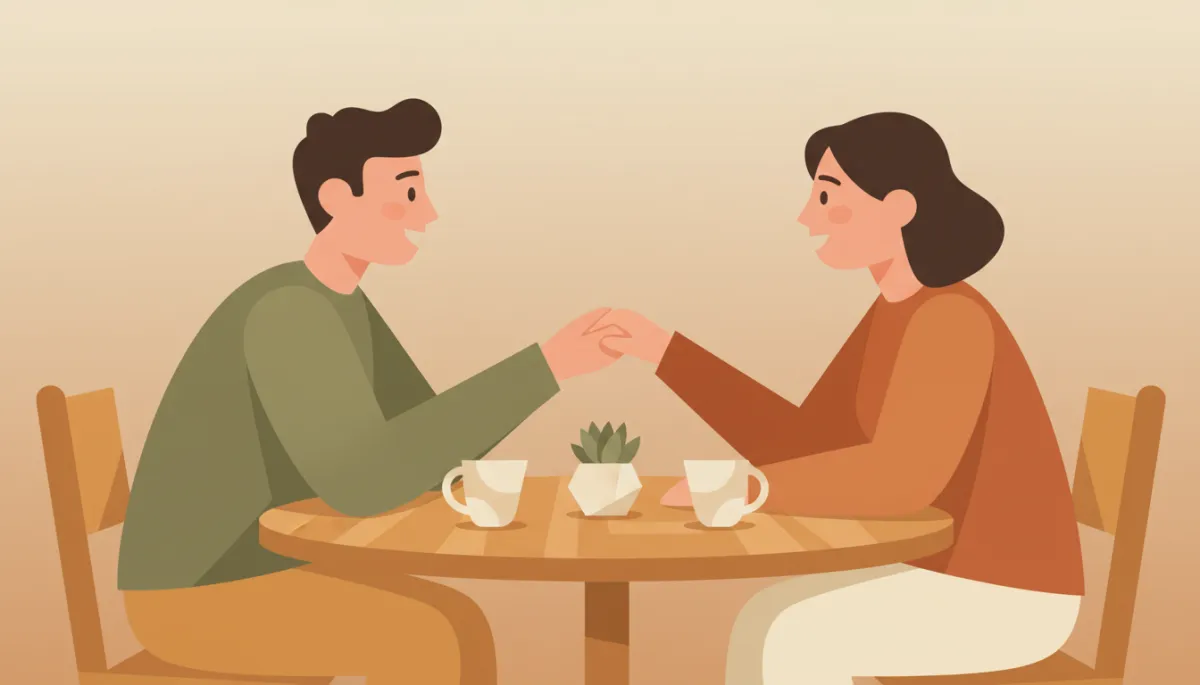
Real change begins when one partner chooses to listen before defending.
Forgetting Your Own Pain—Just Long Enough to See Theirs
One of the paradoxes of a healthy marriage is this: the only time we truly understand each other is when we temporarily set aside our own pain to fully see the other person’s. This doesn’t mean your hurt doesn’t matter. It means there are moments when you choose to say, “I’ll come back to my feelings; right now, I want to understand yours.”
Practically, this looks like:
Letting your spouse finish without interrupting, even when you disagree with every word.
Reflecting back on what you heard: “So when I came home late, it felt like you weren’t a priority.”
Naming the emotion, not just the facts: “You sound really lonely in this marriage, and that hurts to hear.”
💡 A Ripple to Remember: If you feel too triggered to listen, ask for a short break—then come back on purpose with the single goal of understanding, not correcting.
Building a Habit of Empathy in Everyday Moments
Empathy is not just for big fights; it’s built in small, ordinary moments. When your spouse sighs after a long day, you can choose to ignore it, take it personally, or gently ask, “Rough day? Want to talk or just have some quiet?” When they forget something important, you can attack their flaw or remember that they might already feel guilty and say, “I know you didn’t mean to. I’m disappointed, and I still love you.”
Over time, these small choices send a powerful message: “Your inner world matters to me.” And when both partners live this way, something shifts. You still argue, you still get it wrong, but you no longer feel like enemies. You feel like two imperfect humans, learning to carry each other’s pain as carefully as your own.
You may not always agree with your spouse’s version of events. But you can always choose to honor their experience. When you do, you’re not giving up your truth—you’re building a marriage where both truths can safely exist, and where love is measured not by who is right, but by who is willing to truly see the other’s pain.