
Unresolved Resentment: Impact on Relationships
Emotional Health, Relationships
How Unresolved Resentment Distorts Your View of People and Hurts Relationships
When resentment quietly lingers beneath the surface, it doesn’t just live in your memory. It can slowly reshape how you see people, how you interpret their actions, and how you show up in your closest relationships—often hurting both you and those around you in ways that are easy to miss until real damage is done.
What Is Unresolved Resentment?
Resentment is the lingering bitterness that can follow a hurt, betrayal, or repeated disappointment. It often appears when you feel wronged, unheard, or taken for granted—and when those feelings are never truly acknowledged or worked through, they become unresolved resentment.
Unlike a momentary flash of anger, unresolved resentment is chronic. It can sit quietly in the background for months or years. You may function normally on the surface—go to work, make dinner, share jokes—but underneath, there is a mental ledger keeping score of every slight, every broken promise, every time you felt dismissed or disrespected.
💡 A Reflective Ripple: If you find yourself replaying the same painful memory or phrase over and over, that’s often a sign that resentment hasn’t been resolved, only buried.
How Resentment Distorts the Way You See People
Over time, unresolved resentment can quietly alter your perception. Instead of seeing a whole person—with strengths, flaws, good days and bad days—you may begin to see them almost entirely through the lens of how they hurt you. This mental filter can change everything:
You assume the worst motives. A late reply, a forgotten task, or a tired tone of voice suddenly “proves” they don’t care, even when there may be many other explanations.
You rewrite history. Past positive moments start to feel fake or insignificant, as if the hurtful parts were the “real” them all along.
You become hyper-alert to faults. Small mistakes or quirks that once felt harmless now feel like fresh evidence that they can’t be trusted or relied on.
This distortion doesn’t always feel dramatic. It can be subtle—a little more eye-rolling, a little less patience, a quiet withdrawal of warmth. But over time, it can turn someone you once cared deeply about into a character in a story where you are always the injured party, and they are always the villain.
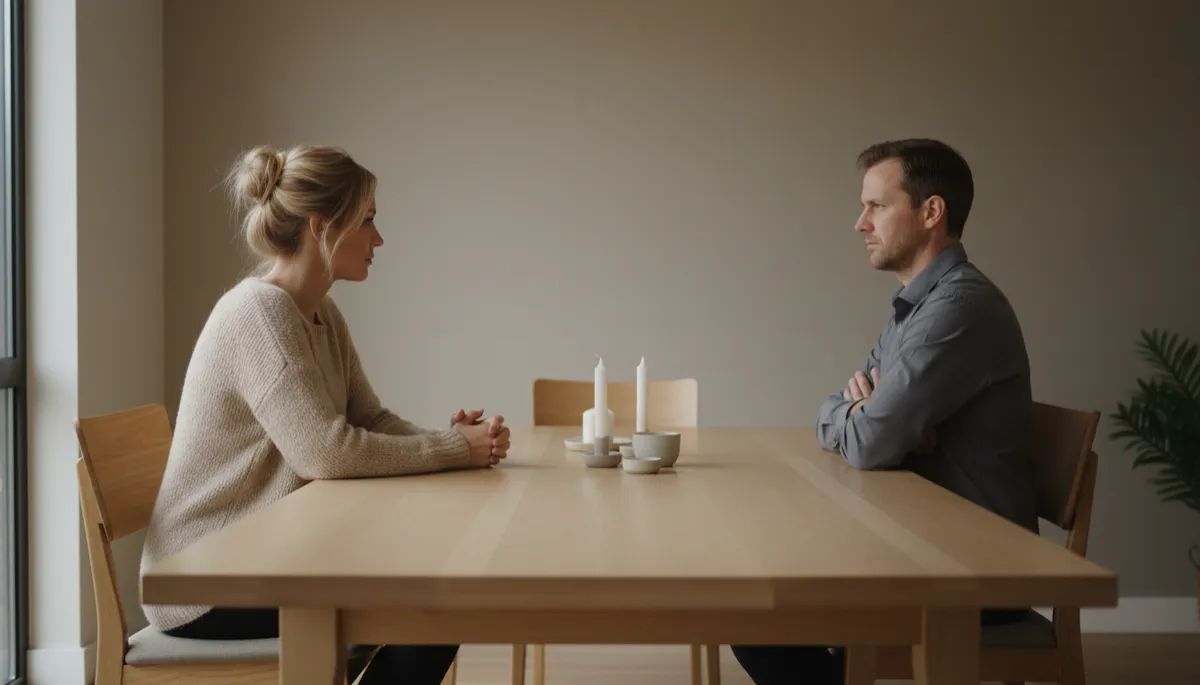
When resentment goes unspoken, distance grows even in everyday moments.
The Hidden Ways It Hurts Your Relationships
Unresolved resentment doesn’t just stay in your head; it shapes your behavior. Even if you never mention the original hurt, it can show up in how you speak, how you listen, and how willing you are to be emotionally close. Common patterns include:
Emotional withdrawal. You stop sharing your inner world, offering affection, or reaching out first. The relationship becomes polite but hollow, leaving both people lonely in each other’s presence.
Passive-aggressive behavior. Sarcasm, subtle digs, or “forgetting” to do things become indirect ways of expressing anger—fueling confusion and more conflict instead of clarity and repair.
Keeping score. You mentally tally every misstep, ready to bring it up during arguments. Discussions about one small issue quickly turn into a long list of past grievances.
Over time, these patterns can erode trust and safety. The other person may feel constantly judged or like they can never “get it right,” even if they are genuinely trying. Eventually, both sides may stop trying altogether, convinced the relationship is simply “too broken,” when in reality unspoken resentment has been quietly steering it off course.
The Wider Impact on Those Around You
Resentment rarely stays contained between two people. It can spill outward, affecting the emotional climate of an entire home, friendship group, or workplace. Others may not know the details, but they feel the tension. They notice the clipped tone, the cold silences, or the way you light up around some people and shut down around others.
Children pick up the atmosphere. In families, kids are often highly sensitive to unspoken conflict. They may blame themselves, take sides, or learn that closeness is unsafe because it can suddenly turn distant or hostile.
Friends and colleagues feel caught in the middle. People around you may feel pressured to choose loyalty, manage the tension, or listen to repeated venting without any real movement toward resolution.
Your own well-being suffers. Carrying resentment can increase stress, drain your energy, and make it harder to be present and patient with others who have done nothing wrong.
In this way, unresolved resentment doesn’t just shape how you see one person—it can quietly color how you show up in many relationships, even with people who have never hurt you.
Moving Toward Healing and Clearer Vision
Resentment often forms when pain is never given a safe place to go. Bringing it into the open—with yourself first, and then, when possible, with the other person—can begin to loosen its grip. This might mean journaling honestly about what hurt you, seeking support from a trusted friend or therapist, or choosing a calm moment to say, “There’s something I’ve been holding onto that I’d like to talk about.”
Healing doesn’t always mean the relationship will look the way you hoped. But working through unresolved resentment can help you see people more accurately—recognizing both the harm and the humanity—so you can make clearer choices about how close you want to be and how you want to treat those around you. In doing so, you protect not only your relationships, but also the emotional health of everyone who shares life with you.